By Barbara Gardner
Foundation care in Vail starts long before anyone steps into a crawlspace or lower level. Homes here sit in a mountain environment shaped by snowpack, spring runoff, sloped lots, and long winter conditions. The best maintenance plans feel consistent and practical, with a close read on roof runoff, soil movement, and water paths around the structure.
In a mountain market like this, how to maintain a home's foundation becomes part of ordinary home stewardship.
Key Takeaways
- Drainage: Move water away from the house early and consistently.
- Snowmelt: Watch roof edges, downspouts, and spring runoff paths.
- Moisture: Check lower levels, walls, and slabs every season.
- Records: Keep repairs, inspections, and contractor notes organized.
Direct Snowmelt Away From the Structure
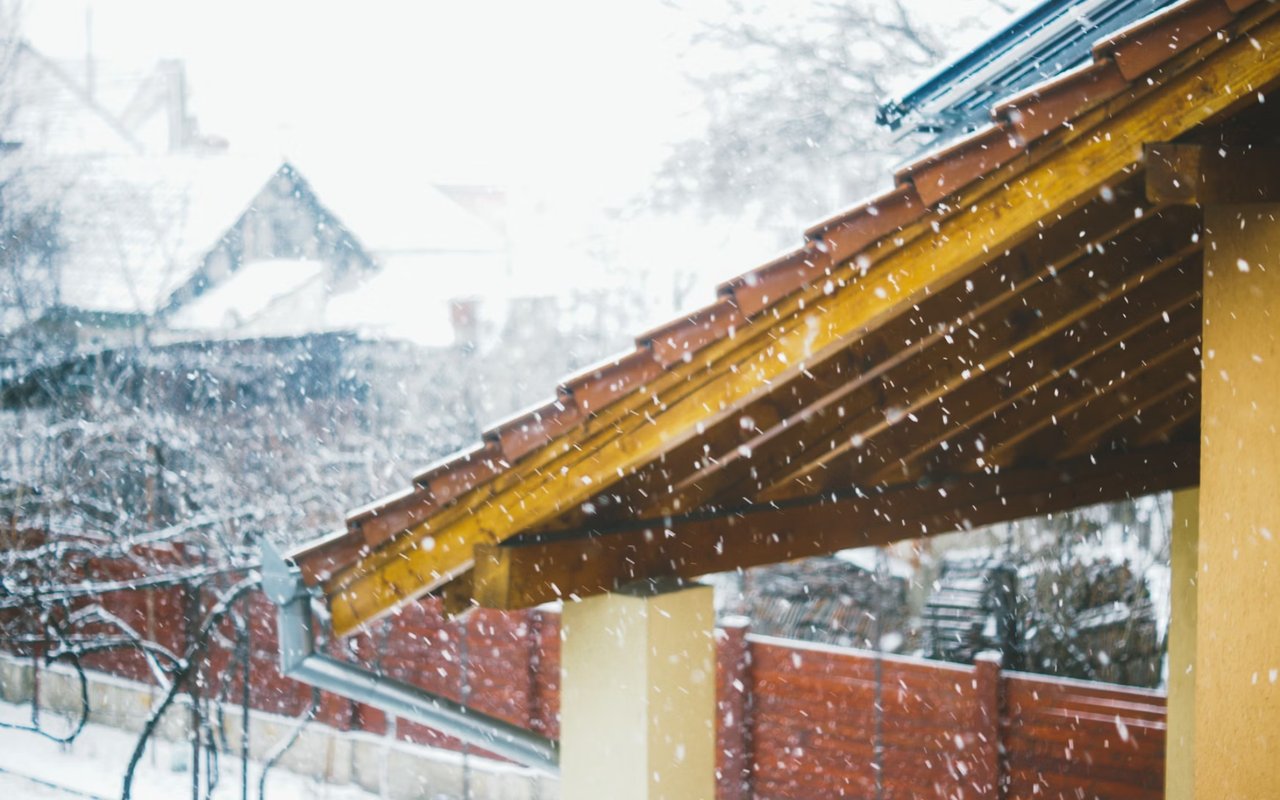
In Vail, snowmelt planning belongs at the top of the list because runoff arrives quickly once temperatures shift and roof edges begin to drain.
The First Two Priorities I Use
- Keep gutters and downspouts clear: Make sure runoff leaves the roof cleanly and discharges well away from the foundation wall.
- Watch spring melt paths: Follow where water flows during warm afternoons and adjust extensions or splash blocks before pooling starts.
Town guidance on flood preparedness specifically highlights the snowmelt season and encourages property owners to prepare in advance, which fits perfectly with this first round of foundation care.
Keep the Grade and Hardscape Working With the Site
Mountain homes rarely sit on flat, forgiving land, and that makes grading one of the most important parts of foundation maintenance in Vail.
The Next Two Site Moves To Make
- Maintain positive grading: Use compacted soil and clean drainage swales so the ground consistently falls away from the structure.
- Check hardscape transitions: Watch where patios, stone walks, and drive edges meet the house so water keeps moving downhill instead of collecting at the base.
Vail’s permit system includes drainage and driveway improvements, and Eagle County engineering oversees grading and floodplain development, which shows how central site-water management is in this region.
Monitor Lower Levels for Early Moisture Signals
A lower level often tells the story of foundation performance before exterior movement becomes obvious from the street.
The Interior Clues I Look For
- Track small changes: Pay attention to damp corners, musty air, new efflorescence, or hairline wall and slab cracks that appear seasonally.
- Inspect mechanical areas: Look around floor drains, sump systems, and pipe penetrations where moisture often shows up first.
In luxury homes with finished lower levels, wine storage, ski rooms, or extensive mechanical systems, this simple habit protects both structure and day-to-day livability.
Stay Ahead of Freeze Conditions and Concrete Wear
Concrete and foundation components benefit from steady observation in a climate where freezing conditions remain part of ordinary construction and maintenance planning.
The Two Concrete Habits That Help Most
- Seal and repair promptly: Refresh sealants around penetrations and repair minor concrete damage before moisture has another season to work into the surface.
- Schedule work for the right window: Use qualified professionals for slab, footing, or drainage repairs when conditions support proper curing and access.
Eagle County’s inspection guidance specifically states that materials for concrete frost protection must be on site when freezing temperatures exist, which reflects how seriously mountain conditions shape foundation work here.
FAQs
When is the best time in Vail to check foundation conditions?
I usually recommend a close review at the start of spring snowmelt and again before winter settles in.
What deserves the most attention first?
I start with roof runoff, grading, and the lower-level signs of moisture because those three areas reveal a great deal very quickly.
When should I call a professional?
I call for professional help when water returns to the same area, when cracks change in size, or when site drainage keeps pushing runoff toward the structure.
Contact Barbara Gardner Today
Vail real estate has its own maintenance logic, and foundation care is part of that larger mountain picture, right alongside snow management, site drainage, and the way a home sits on its lot above Gore Creek or along the valley floor.
Reach out to me at Barbara Gardner, and I will help you evaluate properties with attention to the practical details that matter here, including slope, runoff patterns, lower-level condition, and the overall maintenance story.
Reach out to me at Barbara Gardner, and I will help you evaluate properties with attention to the practical details that matter here, including slope, runoff patterns, lower-level condition, and the overall maintenance story.